



Perhaps even Handel’s *Messiah* in the amphitheater at Diospi Suyana
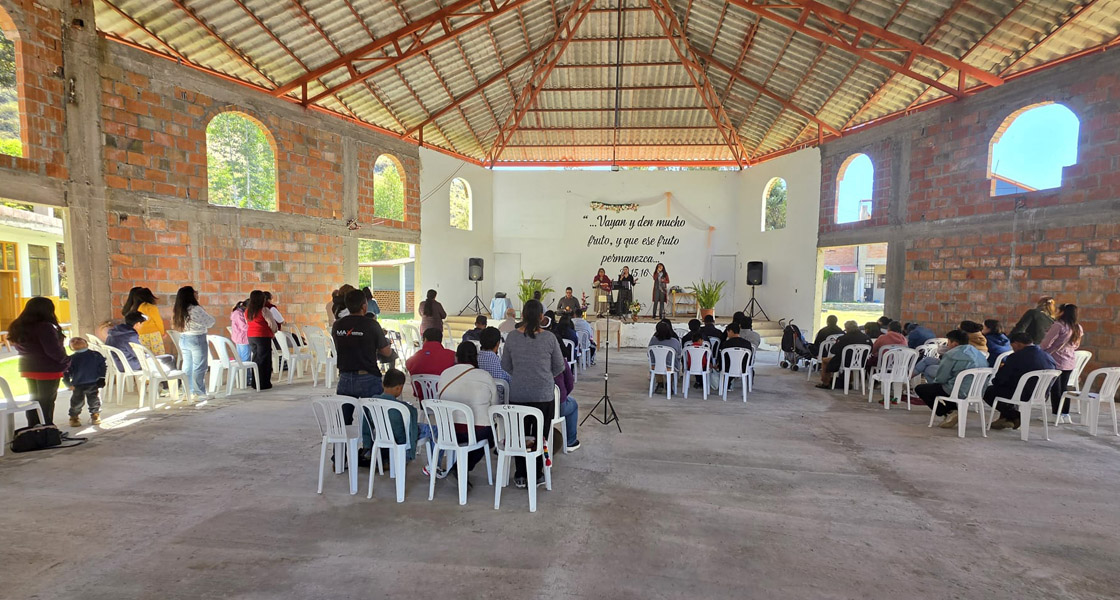
Three women stand at the front, singing modern hymns. They don’t have trained voices, and the playback music coming through the speakers is more of a struggle than anything else. And yet it fulfills the human need to sing songs in worship of God. As human beings, we seek a power that stands far above us—a sense of direction amid the restless hustle and bustle, and an anchor in the storm. These songs remind us of the hope that faith in Jesus Christ gives us.
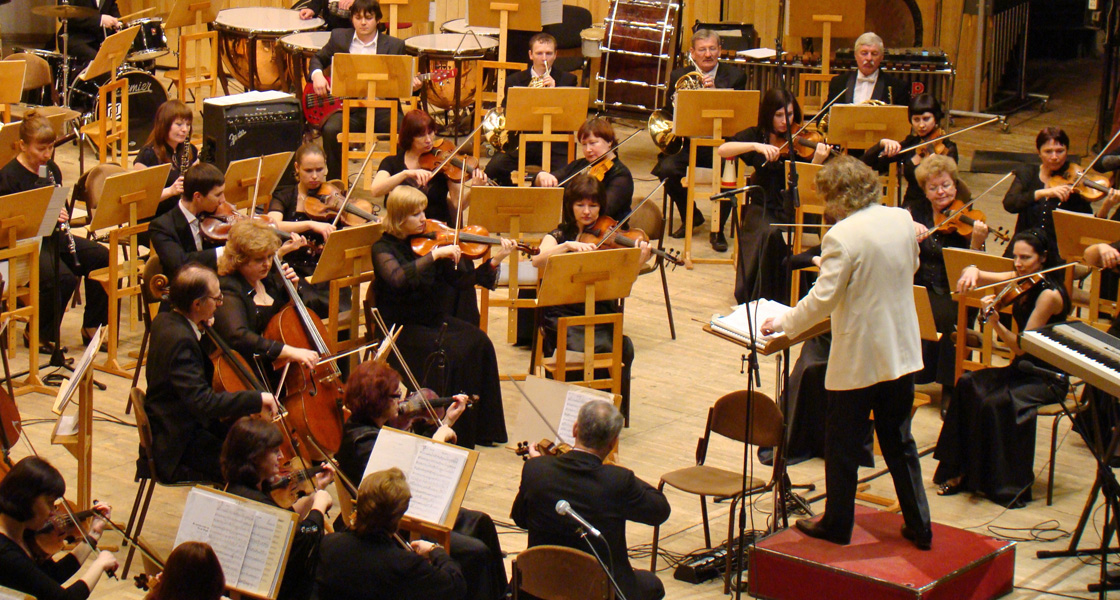
A little over two weeks ago, the director of a European orchestra contacted me. He had read my fourth book, *An Experiment with God*, and suggested that he could present a high-quality concert at Diospi Suyana with a choir and musical accompaniment. You have to sleep on an idea like that three times and think it over four times. Interestingly, a few days later, I received the story of George Frideric Handel’s great oratorio from a completely different source. That is the story of *The Messiah*.
I have taken the following text from an email from Ernst Schnitzhofer.
“I know that my Savior lives! – It was in the year 1741 when, one night, a stooped man, lost in his own thoughts, shuffled through the dark streets of London. The man was George Frideric Handel, the great musician. Hope and despair were at war within him. The favor of high society in England had turned away from him. Bitter hardship had befallen him. His creative spark had been extinguished, and though not yet 60, Handel felt old and weary of life. Without hope, he returned to his humble apartment. There, his gaze fell upon a thick package. He opened it.
“A Spiritual Oratorio” was the title. Handel was annoyed by the second-rate poet and especially by the poet’s remark: “The Lord gave me this commission!” Indifferently, Handel leafed through the text. Then a line caught his eye: “He was despised and rejected by men … there was no one who took pity on him …” Handel read on: “He trusted in God … God did not abandon his soul … He will give you rest …”
These words came alive for Handel, filling him with a sense of experience. And as he read on: “I know that my Redeemer lives … Rejoice … Hallelujah!”—it came alive within him. Wonderful sounds surged within him. The spark from above had set him ablaze. Handel reached for his pen and began to write. With incredible speed, page after page filled with musical notes.
The next morning, his servant found him bent over his desk. He placed the tray within reach and left the room. By noon, it was still sitting there untouched. Handel wrote and wrote. Every now and then, he would jump up and rush to the harpsichord, pace back and forth, wave his arms in the air, and sing at the top of his lungs: “Hallelujah, Hallelujah!”
The servant feared that Handel was going mad when his master told him that the gates of heaven had opened before him and that God Himself was standing over him. For twenty-four days, Handel worked like a man possessed, with almost no rest or food. Then, exhausted, he collapsed onto the bed. Before him lay the completed score of *The Messiah*. Under Handel’s personal direction, *The Messiah* was performed 34 times.
On April 6, 1759, he experienced his own work for the last time. Handel suffered a fainting spell and expressed a wish to die on Good Friday. God granted him this request and called the great master to Himself on Good Friday, April 14, 1759. Handel was allowed to go to the One whom he had so movingly sung about and who had won his heart, so that Handel could exult: “I know that my Redeemer lives!”
We probably all agree, regardless of our worldview, that the wonderful sounds of *The Messiah* touch our hearts. I see the reason for this in the boundless hope of a German composer in England to honor God and make Him tangible. For if it is true that “my Redeemer lives” (words from the Book of Job in the Old Testament), then we can live with confidence and, at the end of our days, die trusting in God.
So how do we get the orchestra from Europe to Curahuasi? Could we gather 5,000 people in the amphitheater for an event like that? And who would pay for the airfare? These are all tough questions. But I have to admit one thing: there’s something captivating about the idea of a classical concert in honor of God in the Andes mountains of southern Peru. /KDJ