




The Peruvian Health Care System in a Perpetual Crisis
In the public eye, issues usually only attract attention for a short time. The focus of public discussion rarely stays fixed on a single issue. Yet the shortcomings of Peruvian hospitals make headlines almost every day. A dilapidated infrastructure and a shortage of essential medications are part of the problem. Mismanagement, corruption, and a lack of commitment among medical staff are also among the chronic issues. Waiting times of many months in public hospitals often leave patients with no choice but to seek treatment at expensive private clinics.
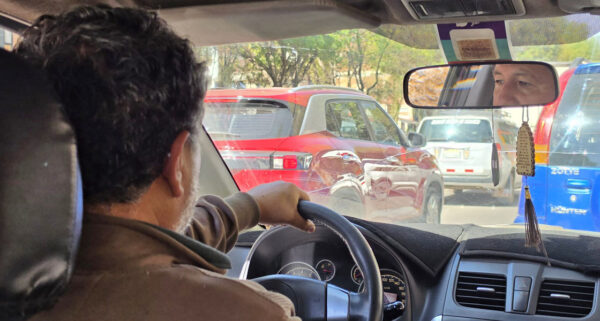
These problems quickly take on a personal dimension when you talk to Peruvians. My taxi driver in Cusco recently became visibly emotional when he told me two tragic stories—both with fatal outcomes—involving his immediate family. I sensed a deep bitterness in his words. He was quite clearly describing a two-tier healthcare system. On the one hand, he complained about inadequate state-run facilities, and on the other, he lamented the total commercialization of the private sector.
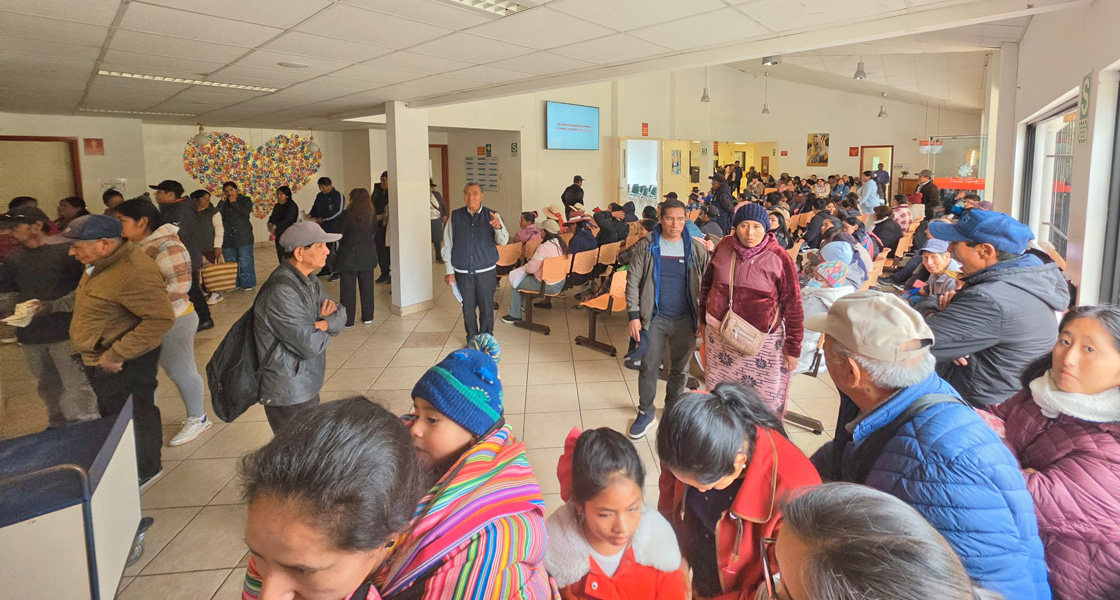
Diospi Suyana is a private hospital, but it is not expensive. To put it plainly, there is no hospital in Peru with lower prices. And the religious aspect, as well as its high profile, act like a magnet for people in need. So it’s no surprise that the waiting rooms at Diospi Suyana Hospital are overflowing in the morning. Drawn by word of mouth, patients travel from near and far to Curahuasi to visit the mission hospital.
One of them is little Noe. His symptoms—a cough and a high fever—suggested a serious illness. His father brought him from the mountains to the emergency room. An X-ray revealed that the Quechua boy was suffering from lobar pneumonia—that is, pneumonia affecting an entire lobe of the lung. The antibiotic treatment responded well, and Noe should soon be over the worst of it. At least, that’s the opinion of his pediatrician, Dr. Martina. In any case, we wish him a speedy recovery. /KDJ